The best interview questions to ask a software developer reveal how they write, debug and explain code. To recruit candidates, post a job on JobGrin.
Choose questions that match the work, then assess answers against the same criteria for every candidate. This guide includes prompts, follow-ups, a scoring example and hiring options for Indian employers.
Interview Questions to Ask a Software Developer
Start with questions about a candidate’s own work, then move towards the problems your team needs them to solve. For a software engineer, good questions uncover reasoning as well as the final answer.
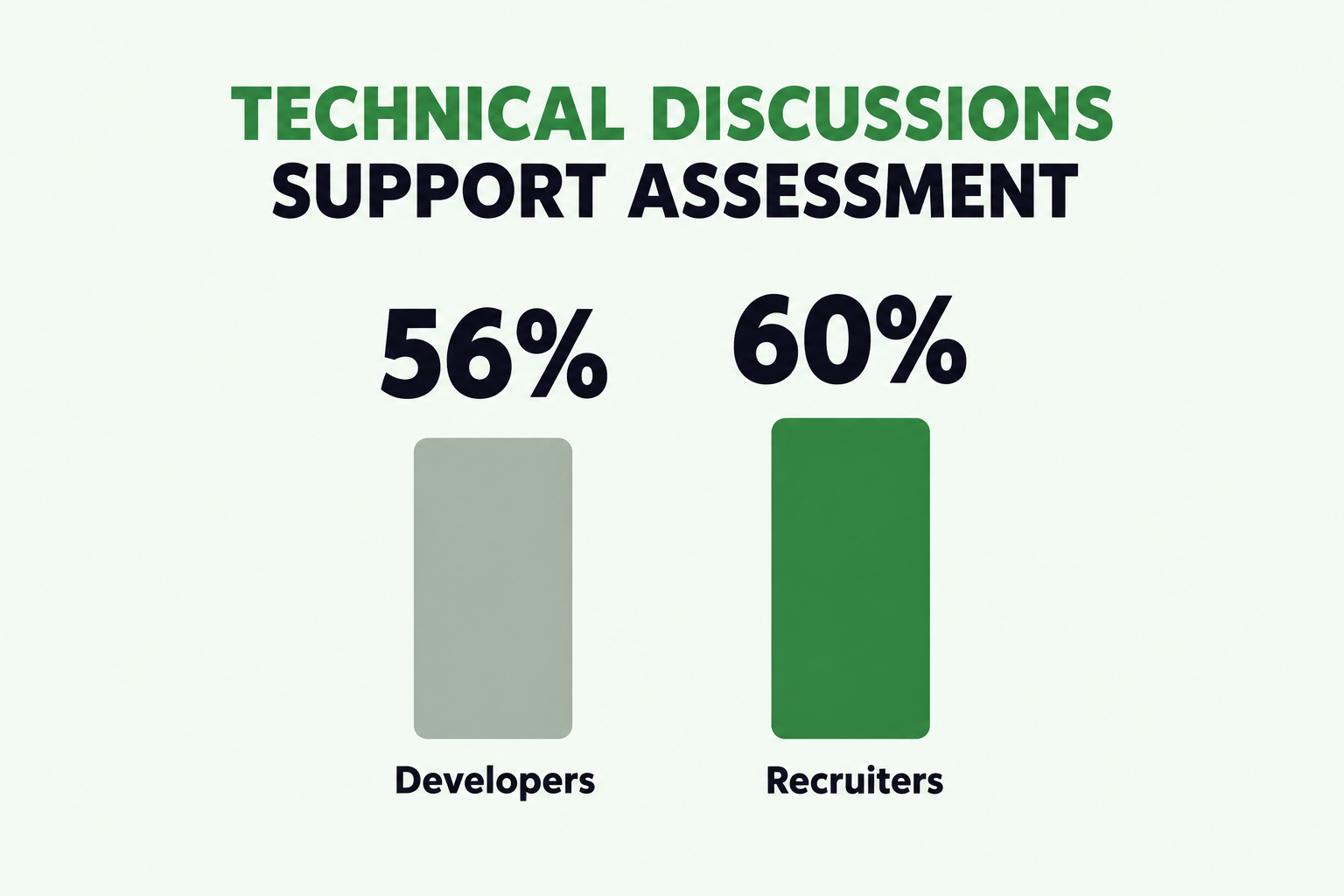
In CoderPad’s 2026 State of Tech Hiring survey, 56% of developers selected technical discussions as reflecting on-the-job ability. Among surveyed recruiters, 60% of recruiters selected the same format.
Understand Their Contribution
What did you build, and what was your part?
Ask about the goal, the candidate’s responsibility and a decision they owned. Listen for a clear distinction between individual work and the team’s contribution.
What trade-off did you make?
A useful answer names alternatives and explains why the chosen approach fit the constraints. Follow up by asking what the candidate would change with more time.
Which piece of code was hardest to maintain?
Ask how they recognised the problem and what they did next. A strong discussion connects maintainability to a concrete change, such as clearer naming or a simpler interface.
Explore Working Relationships
Tell me about a code review that changed your approach.
Look for how the candidate gave or received feedback. Ask what happened after the review, rather than treating disagreement as a negative sign.
How did you explain a technical constraint to a non-technical stakeholder?
Listen for a plain-language explanation and a discussion of options. The best answer need not involve a perfect outcome.
Tell me about a disagreement on implementation.
Ask how the candidate established the facts and reached a decision. Separate a thoughtful disagreement from an answer that simply claims the team agreed.
Before interviews, write the role’s essential skills in your job description. Use candidate search filters for relevant keywords, experience, location and role when reviewing profiles.
Questions About Coding and Debugging
Use a small task related to the job rather than an unrelated puzzle. Give every candidate the same problem, constraints and opportunity to explain their thinking.
How would you reproduce an intermittent error?
Listen for an attempt to narrow the conditions, inspect relevant evidence and test a possible cause. Ask what information they would request before changing production code.
How would you test this function?
Ask for a normal case, an edge case and a failure case. A candidate should explain why each case matters, not just name a testing tool.
What would you check before merging this change?
Look for discussion of correctness, readability and effects on existing behaviour. For a role with production responsibilities, ask how they would monitor the change after release.
How would you make a slow request faster?
Ask the candidate to identify a measurement first. Then discuss a possible bottleneck, such as a database query, and how they would check whether a change helped.
Adapt Questions to Experience
The same topic should demand different depth from a junior developer and a senior engineer. Choose a scenario that resembles the work, then adjust the scope of the decision.
Junior and Mid-Level Developers
For a junior candidate, ask: How would you approach a task in an unfamiliar codebase? Look for a sensible starting point, questions they would ask and a way to check their work. A learning project is a useful example when professional experience is limited.
For a mid-level candidate, ask: How would you introduce a change without breaking existing users? Listen for test coverage, communication and a way to detect or reverse a problematic release.
A good follow-up is: “What would you do if your first approach failed?” It shows whether the candidate can revise an assumption rather than defend an answer at all costs.
Senior Software Engineers
Strong interview questions to ask a senior software engineer cover decisions across a system and a team. Ask: How would you design a service that must remain usable during a dependency failure? Invite discussion of timeouts, fallback behaviour and operational trade-offs.
Also ask: When would you choose a simpler design over a more scalable one? Look for a decision tied to expected demand, complexity and the cost of change. A diagram can help, but the explanation matters more than its polish.
Finally, ask how the candidate helped another developer improve. Request a specific situation, their feedback and what happened next. Avoid treating job titles or years alone as evidence of technical leadership.
Build a Fair Assessment
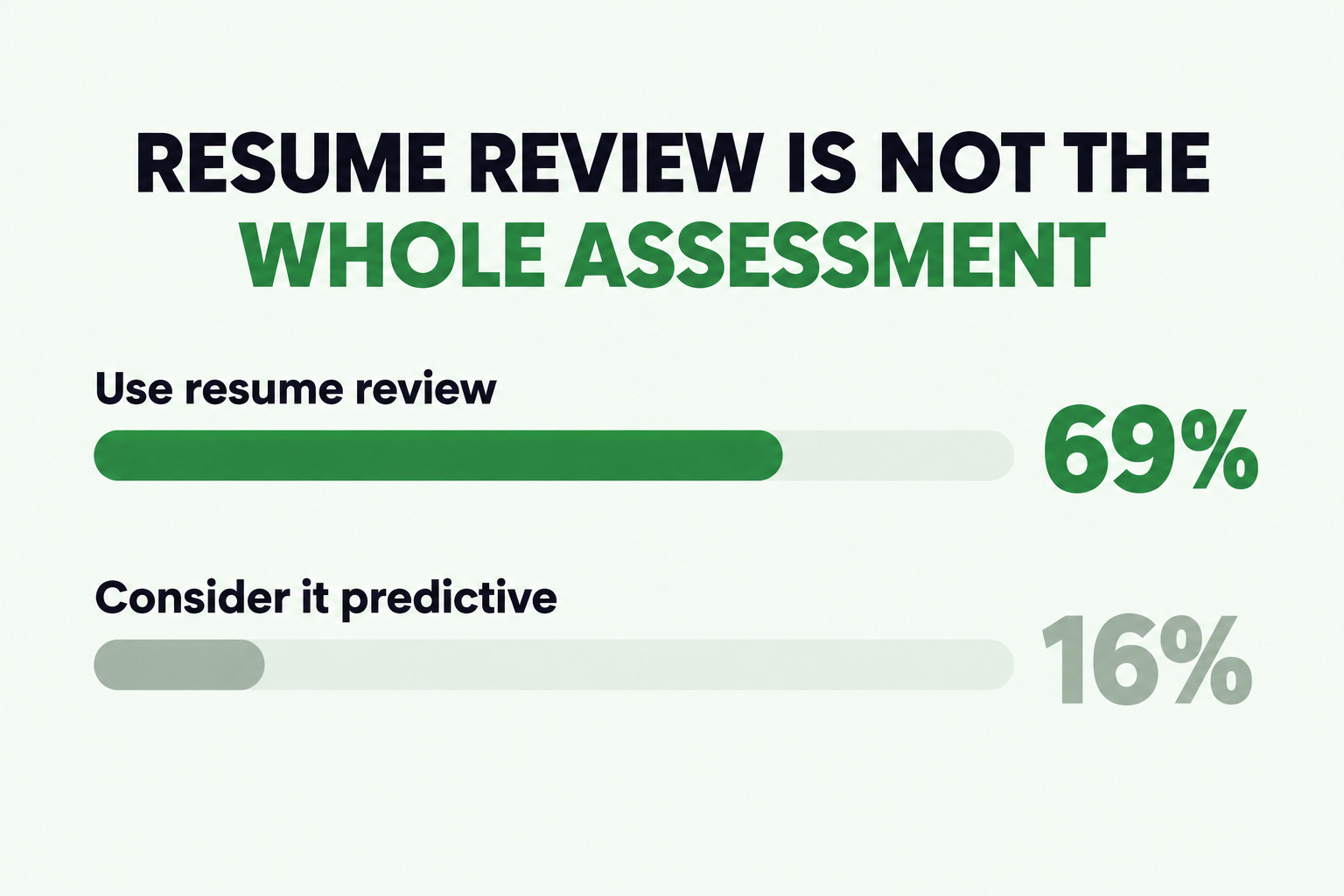
Combine a discussion with a role-relevant exercise instead of relying on a resume alone. CoderPad’s 2026 survey found 69% of recruiters use resume review to assess technical talent, while 16% of recruiters consider it predictive of performance.
The same survey found 43% of developers selected live coding as reflecting on-the-job ability, compared with 60% of recruiters. For work samples or take-home projects, the figures were 33% of developers and 12% of recruiters. These results support offering a relevant format and explaining it clearly.
Use a Simple Scoring Rubric
Score the evidence you ask for, not a candidate’s accent, confidence or familiarity with a particular interviewer. Define the expected answer before the interview and record examples that support each score.
In this example, four criteria worth five points each give a maximum of 20 points: 4 × 5 = 20. An interviewer recording 4, 3, 4 and 3 awards 14 points. Keep notes on the evidence behind each score rather than treating the total as the entire decision.
Agree on which criteria matter most before seeing candidates. For a senior architecture role, add a separate discussion of system decisions rather than assuming a short coding task measures the whole role.
Ask About AI-Assisted Development
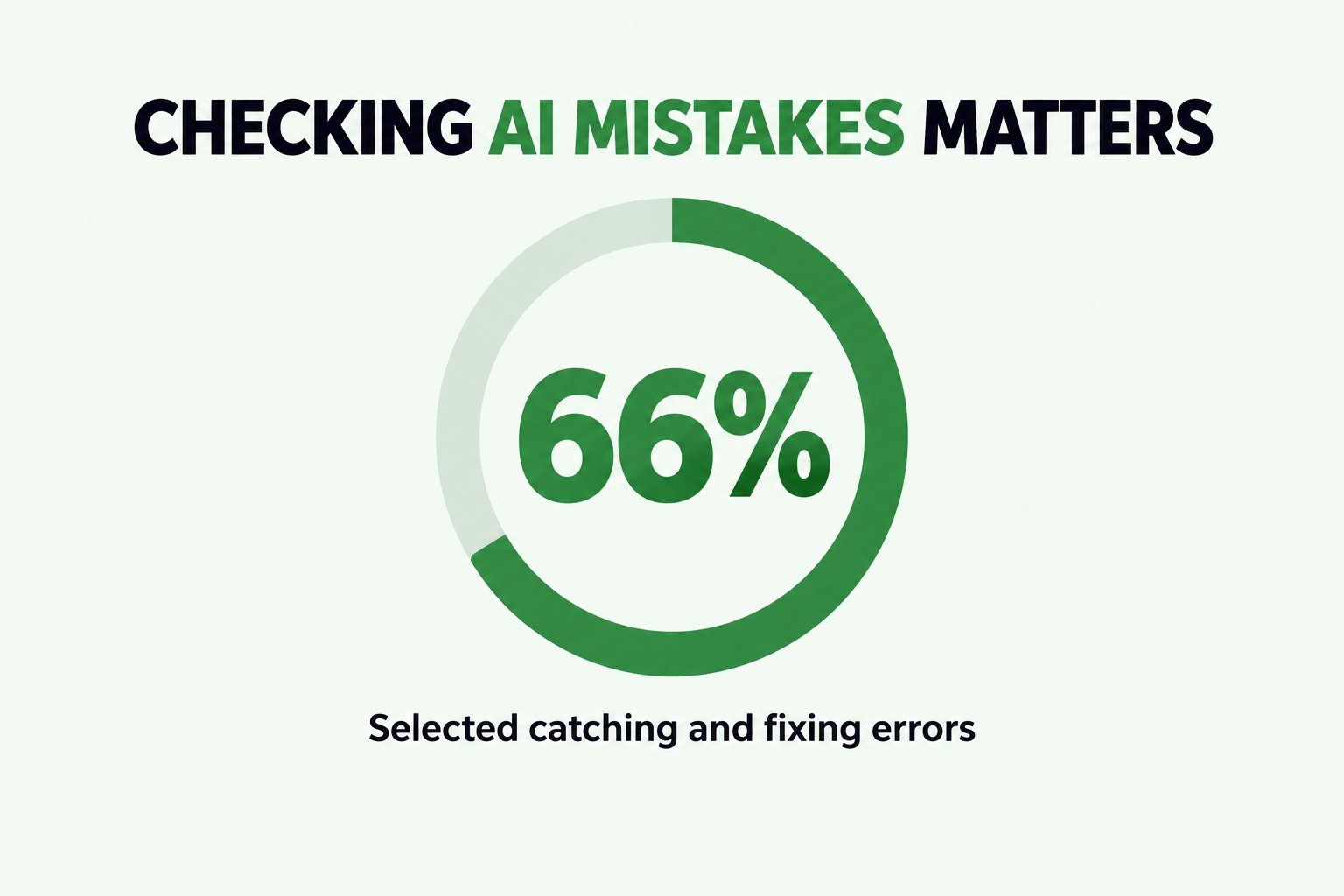
Ask candidates how they check AI-generated code, not just whether they use an assistant. CoderPad’s 2026 survey found 66% of respondents assessing AI-assisted work selected catching and fixing AI mistakes as a skill signal.
In the same survey, 56% of respondents assessing AI-assisted work selected explaining trade-offs and correctness. Ask: How would you review an AI-generated change before merging it? Look for independent tests, attention to existing behaviour and an explanation of the proposed code.
Another question is: When would you reject a generated solution? A useful answer identifies a concrete issue, such as an unhandled failure or an unsuitable dependency. Follow up by asking how the candidate would correct and verify it.
Set the exercise rules in advance. CoderPad’s 2026 survey found 34% of recruiters and hiring leaders ban AI in assessments, 46% of recruiters and hiring leaders allow it broadly or with constraints, and 20% of recruiters and hiring leaders decide case by case. Tell candidates which approach applies and apply it consistently.
Avoid Common Interview Mistakes
Three mistakes can make a technical interview less useful: asking unrelated trivia, changing the task between candidates and scoring without evidence. Replace each with a question tied to the actual role.
Instead of asking for a memorised definition of a database index, present a slow query and ask what the candidate would investigate. The follow-up reveals how they connect a concept to an operational problem.
Do not expect every candidate to have worked at the same scale. Give the necessary context, then assess how they reason from it. For junior applicants, accept examples from coursework or personal projects when those examples demonstrate the required skill.
Close by explaining the next stage and inviting questions. This message gives candidates a consistent description of the exercise:
“Your interview for [role] will include a discussion of your experience and a practical [coding or debugging] exercise. We will assess your approach, testing and communication. The exercise rules are [rules]. Please let us know if you need an adjustment to take part.”
Job seekers preparing for an online conversation can use these online interview preparation tips. Candidates can also explore current jobs and use the free Resume Builder to present their experience.
Frequently Asked Questions
What are good questions to ask a software developer?
Ask about a project they contributed to, a difficult bug, a code review and the tests they would write. Use follow-ups to understand the candidate’s own decisions.
What interview questions should I ask a software engineer about debugging?
Ask how they would reproduce an intermittent failure, identify a cause and verify a fix. Give enough context for them to explain what evidence they need.
What should I ask a senior software engineer?
Discuss architecture trade-offs, production failures and how they guide other developers. Ask for specific decisions and their consequences rather than relying on a title.
Should every software developer interview include live coding?
No. A technical discussion or a relevant work sample can also reveal reasoning. Pick a format that reflects the role and explain it before the interview.
How should I assess a developer with limited work experience?
Invite examples from coursework or personal projects. Evaluate their approach to learning, testing and explaining decisions against the junior role’s requirements.
Should candidates be allowed to use AI during a coding exercise?
Choose a rule that fits the role, share it beforehand and apply it consistently. If AI is allowed, ask candidates to explain and test the resulting code.
Is JobGrin cheaper than Indeed or LinkedIn for a free job post?
All three have a ₹0 entry option. Their posting terms differ: JobGrin Free Starter includes three posts per month, and LinkedIn Hiring Pro Free permits one free job open at a time.
What should I compare before choosing a job posting plan?
Compare the number of posts or credits, listing duration, application allowance and total price. For paid JobGrin plans, include 18% GST in the checkout budget.
Final Thoughts
Useful interview questions to ask a software developer connect directly to the work. Ask candidates to explain decisions, test assumptions and respond to a realistic problem.
Choose a consistent assessment before reviewing applications, and keep evidence behind each score. Then use a posting plan that fits the number of roles you need to advertise.
Leave a Reply