Data science is one of the most in-demand careers of the 21st century. These professionals work at the crossroads of statistics, computer science, and business. They pull insights and predictions from complex data. If you’re new to data science or thinking about changing careers, the journey can seem overwhelming.
Yet, success isn’t tied to having a specific degree. It’s about mastering certain skills and showing that you can use them. This roadmap provides a clear, step-by-step guide to help you develop the essential math, programming, and project skills needed to transition into a data scientist role.
Step 1: Laying the Foundational Knowledge
Before you write your first line of code, you need to understand the basic ideas that support all data science work.
What is a Data Scientist?
A Data Scientist uses analytical methods, algorithms, and models to solve complex problems and guide business strategy.
- Data Analyst: Focuses on historical data (What happened?).
- Data Engineer: Focuses on building and maintaining the data pipelines (How do we get the data?).
- Data Scientist: Focuses on predictive and prescriptive modeling (What will happen, and what should we do about it?).
The core job is to work through the Data Science Life Cycle: Collect→Clean→Model→ Deploy→Communicate.
Statistical & Mathematical Foundations
Statistical knowledge is the foundation of machine learning. You don’t need to be a math genius, but you must understand how and why models work. A strong quantitative foundation is important for understanding model results and avoiding common mistakes. The main concepts you need to learn are in two key areas:
| Area | Key Concepts to Master |
| Statistics | Hypothesis Testing, A/B Testing, Probability Distributions, Regression Analysis (Linear/Logistic) |
| Mathematics | Linear Algebra (for vectors/matrices in ML), Calculus (for understanding optimization algorithms like gradient descent) |
Step 2: Mastering Essential Tools and Languages
With the theoretical base established, it’s time to acquire the technical tools used daily in the field.
Programming Proficiency
Python is the industry standard and should be your primary focus.
- Python: Start with core data science libraries:
- Pandas – Data manipulation and cleaning
- NumPy – Numerical computations
- Scikit-learn – Machine learning models
- R: While Python is dominant, R remains highly valuable, especially for in-depth statistical analysis and research settings. If your focus is primarily statistical modeling, consider R.
The Universal Language: SQL
Structured Query Language (SQL) is non-negotiable. Data rarely arrives in a spreadsheet in a perfectly clean form; you need to extract and manage it from databases.
- Master the fundamentals: SELECT, WHERE, JOIN, GROUP BY, and window functions. Your first technical interview will almost certainly involve a SQL test.
- While SQL is essential for databases, solid data manipulation skills also extend to spreadsheet tools. Knowing key Excel tips and tricks and how to create a Pivot Table in Excel is highly beneficial when dealing with smaller datasets or communicating initial findings.
Core Machine Learning Concepts
This is where you move from fundamental analysis to prediction. Focus initially on simple, yet powerful, models.
- Supervised Learning: Training models on labeled data to make predictions (e.g., predicting house prices). Master algorithms like Linear Regression and Logistic Regression.
- Unsupervised Learning: Finding patterns in unlabeled data (e.g., customer segmentation). Understand Clustering algorithms like K-Means.
Step 3: Gaining Hands-on Experience and Building a Portfolio
The single most effective way to prove your competency is through a strong, visible portfolio. This is your resume when you have no formal experience.
Why Projects Matter More Than Grades
Employers want proof that you can take messy, real-world data and produce actionable insights. A project demonstrates your ability to apply theory, clean data, and debug code.
Project Ideas & Platforms
- Kaggle Competitions: Excellent for practice with clean datasets and learning from top data scientists’ code.
- Web Scraping Projects: Gather your own unique dataset from a public website and analyze it (e.g., movie ratings, job postings).
- End-to-End Projects: Take a problem from idea to deployment (e.g., build a simple classification model and host it on a platform like Streamlit).
Data Storytelling & Visualization
Your technical skills are useless if you cannot communicate your findings to a non-technical stakeholder.
- Master visualization tools like Tableau or Power BI for presenting data.
- Learn how to use Python libraries like Matplotlib and Seaborn to create compelling, clear visual narratives.
Step 4: Formal Education vs. Self-Learning vs. Bootcamps
There is no single “right” way to learn data science. Your path depends on your budget, timeline, and prior background.
Weighing Your Options
| Pathway | Pros | Cons |
| Formal Degree (B.S./M.S.) | Deep theoretical foundation, strong network, credibility. | High cost, long time commitment. |
| Bootcamps | Fastest path to job-ready skills, structured learning, and career services. | High cost, can lack theoretical depth. |
| Self-Taught | Lowest cost, maximum flexibility (online courses, books). | Requires high self-discipline, no formal credentials. |
Pro Tip: If you choose the self-taught route, utilize specialized online courses and certifications from platforms like Coursera, edX, or DataCamp to add structure and verifiable credentials to your resume.
Step 5: Developing Crucial Soft Skills
Often underestimated, soft skills are the difference between a good data scientist and a great one.
Beyond the Code
- Communication: The ability to explain complex statistical models (such as Random Forests) in simple business terms is paramount.
- Business Acumen: Understanding why a business is asking a question helps you design a model that solves a real problem, not just a technical one.
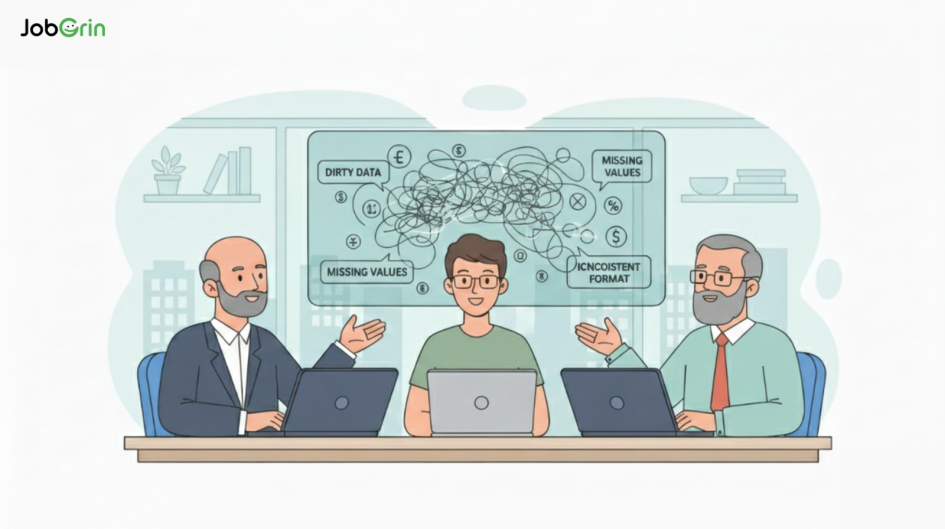
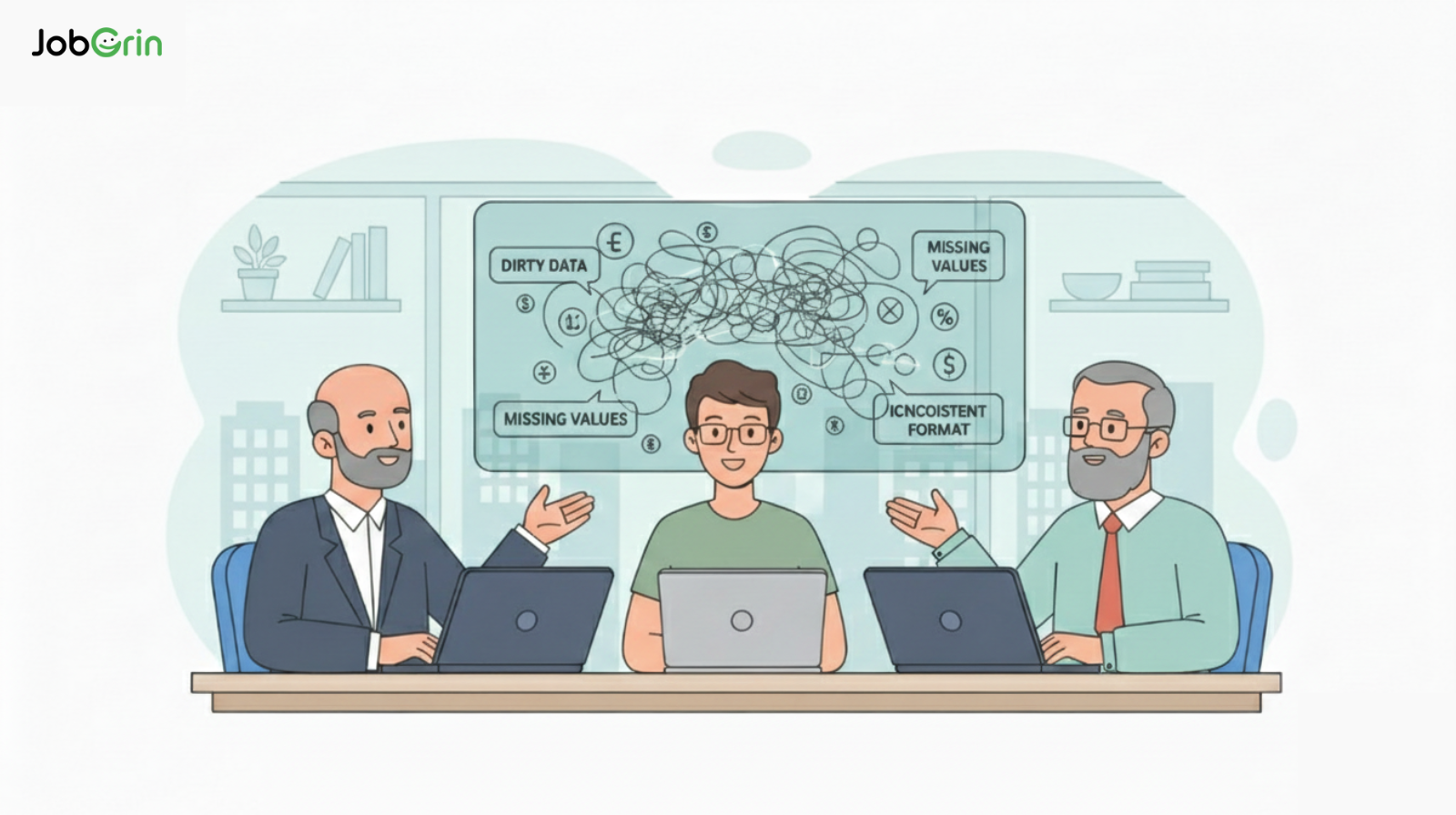
- Problem-Solving & Critical Thinking: Data science is 80% cleaning and problem-solving. Be prepared to deal with dirty data and model failures.
Presentation Power
Practice presenting your project work clearly. Your project portfolio should include not just the code, but a non-technical summary of the business question, your findings, and the recommended action.
Step 6: Landing Your First Role and Continuous Learning
The final steps involve the job search, and perhaps the most important skill of all: adaptability.
Resumes that Get Noticed
- Focus on Impact: Instead of saying “Used Python to build a classifier,” say: “Built a fraud detection classifier using Python that reduced false positives by 15%, saving the company $X per month.”
- Highlight the Portfolio: Ensure your resume links directly to your GitHub and any deployed projects.
Interview Preparation
Be ready for a mix of interview types:
- Behavioral: Standard questions about teamwork and challenges.
- Technical Screens: Whiteboarding simple algorithms, SQL, and Python questions.
- Case Study/Take-Home: Applying the entire data science workflow to a small problem.
Continuous Learning
The field evolves rapidly. Stay updated on:
- Large Language Models (LLMs): GPT, Claude, Gemini
- Deep Learning Frameworks: TensorFlow, PyTorch
- MLOps & Data Engineering Tools: Airflow, Docker, Spark
The best data scientists never stop learning — adapt, explore, and grow with the field.
Career Outlook
The future for Data Scientists remains exceptionally strong, offering both job security and high earning potential.
According to the U.S. Bureau of Labor Statistics (BLS), employment of data scientists is projected to grow 34% from 2024 to 2034, far faster than the average for all occupations. This surge is driven by the widespread adoption of AI, automation, and data-driven decision-making across industries such as finance, healthcare, and e-commerce.
- India: ₹9–20 LPA
- Industry Data
- U.S.:$112,590 median (May 2024)
- Source: U.S. Bureau of Labor Statistics
The Never-Ending Journey
The field is constantly changing. New technologies like Large Language Models (LLMs) and advanced deep learning methods are becoming standard. Success requires a commitment to continuous learning to stay relevant.
Conclusion
Becoming a data scientist is a challenging but very rewarding journey. By concentrating on your key technical skills, dedicating time to hands-on projects, and improving your ability to share insights, you can successfully move into this growing field.
The data is waiting — start building your story today.
Frequently Asked Questions
What degree do I need to become a data scientist?
While a Bachelor’s or Master’s in Computer Science, Statistics, or Mathematics is common, a specific degree is not strictly required. Many successful data scientists transition from fields like Economics, Physics, or Engineering, leveraging strong quantitative skills. Practical experience and a robust portfolio are often valued more than a degree subject.
How long does it take to become job-ready?
For someone starting from zero, a dedicated, focused effort usually takes 6 to 18 months. This timeline accounts for mastering the foundational skills (programming, math, SQL) and building a portfolio of 3-5 solid projects.
Can I become a Data Scientist without a formal degree?
Yes. The rise of online learning platforms, bootcamps, and accessible datasets (like Kaggle) has made the self-taught path viable. If you choose this route, you must compensate for the lack of a formal degree by creating a robust and publicly verifiable project portfolio on platforms like GitHub.
What are the most important soft skills?
Communication, Business Acumen, and Curiosity. You must be able to ask the right questions, understand the business problem behind the data request, and clearly present complex findings to non-technical leaders.
August 5, 2026 at 7:18 am
Very Useful content